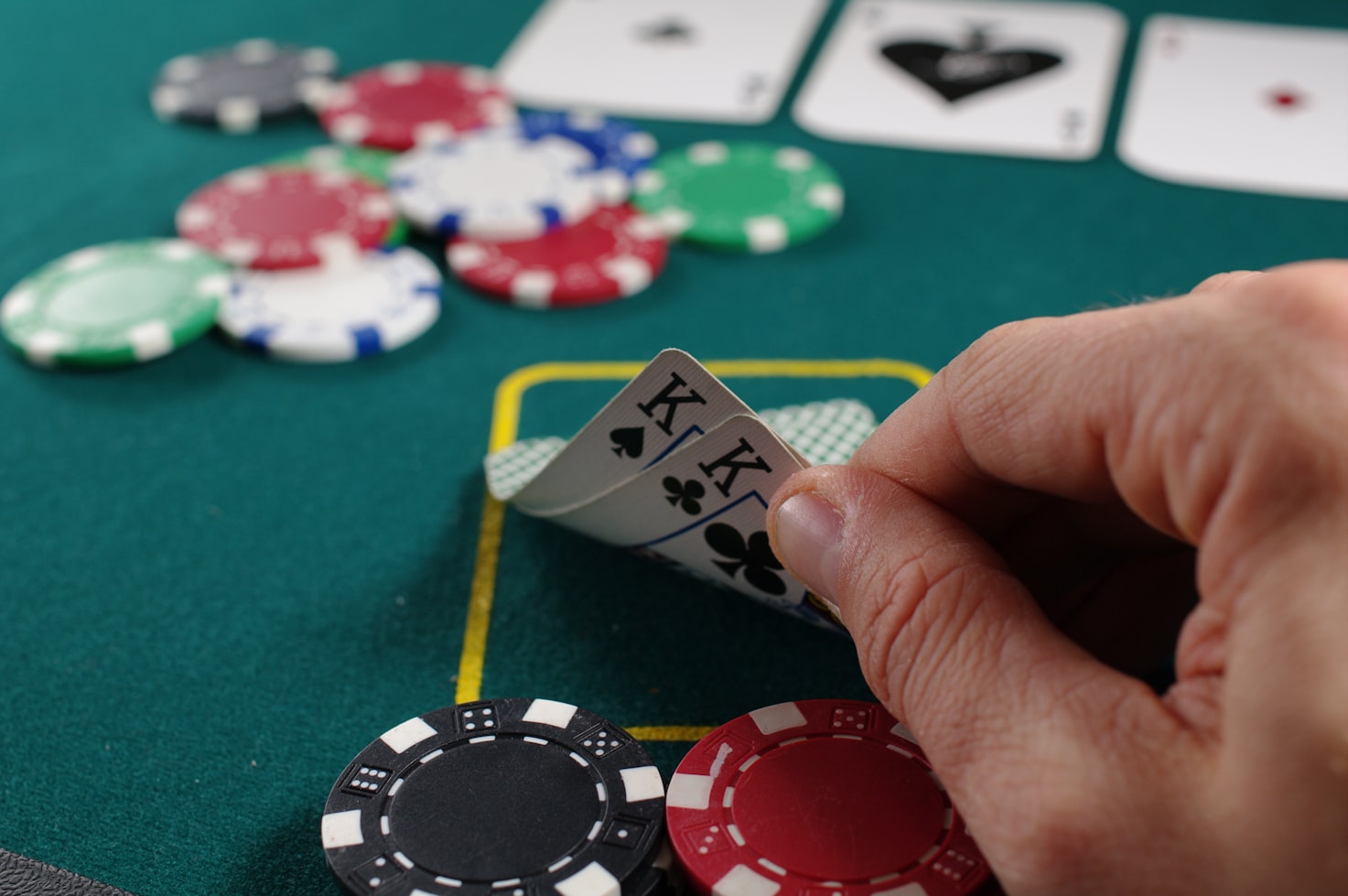
The psychology behind risk-taking in casino environments
The thrill of uncertainty
The allure of casinos often lies in the thrill of uncertainty. When players step into a casino, they are greeted with an array of flashing lights and sounds designed to stimulate excitement and anticipation. This environment cultivates a sense of adventure, prompting individuals to embrace risk-taking behaviors. The unpredictable nature of gambling creates an adrenaline rush that some individuals find intoxicating, driving them to engage in activities they might typically avoid in everyday life. Exploring new online casinos further heightens this experience, providing fresh opportunities for risk and reward.

Moreover, this thrill can activate the brain’s reward pathways. When a player wins, the release of dopamine reinforces the behavior, making it more likely that they will take risks again in the future. This cycle of thrill and reward can lead to repeated visits and potentially problematic gambling behaviors, as individuals chase the high of a significant win.
Social influences on gambling behavior
Casinos are social environments where individuals often gamble in groups, enhancing the experience through shared emotions and interactions. This social component can influence risk-taking behavior significantly. Observing others win can encourage players to take greater risks, as they feel emboldened by the excitement and camaraderie present in the atmosphere. The collective behavior of a group can lead to a phenomenon known as social facilitation, where individuals are likely to take risks they may not pursue alone.
Additionally, peer pressure can play a vital role in risk-taking decisions. When surrounded by friends or acquaintances who engage in high-stakes gambling, individuals may feel compelled to participate at a similar level, even if it contradicts their typical risk tolerance. This dynamic can lead to impulsive decisions, altering a player’s usual cautious approach to gambling.
The role of cognitive biases
Cognitive biases also heavily influence risk-taking in casino settings. One common bias is the illusion of control, where individuals believe they can influence the outcome of a game, despite it being purely chance-based. This perception encourages players to take risks, as they feel empowered to alter their fate, leading them to gamble more aggressively.
Another bias is the gambler’s fallacy, the erroneous belief that past outcomes will affect future events. For example, if a player experiences a string of losses, they may believe they are due for a win, prompting them to place larger bets. Such biases can cloud judgment and result in irrational risk-taking behavior, compelling players to pursue losing streaks in hopes of a turnaround.
The impact of environment and design
The design of casinos further enhances risk-taking tendencies. The layout, lighting, and sounds are meticulously crafted to create an immersive experience. Casinos often lack clocks and windows, disorienting players regarding time and reality. This design encourages extended stays, resulting in increased gambling behavior. The more time spent in a casino, the higher the likelihood of engaging in riskier betting practices.
Furthermore, strategically placed games and amenities are designed to maximize exposure to gambling opportunities. High-stakes tables may be positioned in high-traffic areas, luring players to take risks. The sensory overload of sounds and visuals reinforces the excitement, making it easy for individuals to lose track of their limits and engage in more significant risk-taking behaviors.

More insights at our website
For those interested in exploring the psychology of risk-taking in more depth, our website offers a wealth of information. We delve into various aspects of gambling behavior, including the underlying psychological mechanisms that drive individuals to take risks in casino environments. Through articles and resources, we aim to shed light on how casinos leverage psychological principles to enhance the gambling experience.
By understanding the factors that influence risk-taking, players can make more informed choices about their gambling habits. Whether you’re a casual player or a serious gambler, our site provides valuable insights that can help you navigate the complexities of casino environments and understand the psychology behind your decisions.