
Understanding the psychological effects that gambling has on individuals
The allure of gambling
Gambling has a unique psychological allure that attracts many individuals, often blending excitement with the possibility of financial gain. The thrill of potentially winning a substantial sum can create a rush akin to other forms of adrenaline-fueled activities. This excitement can lead individuals to engage more frequently, as each win reinforces the behavior through dopamine release, a neurotransmitter associated with pleasure and reward. Many players seek to explore the best online pokies real money nz, enhancing their gambling experience further.
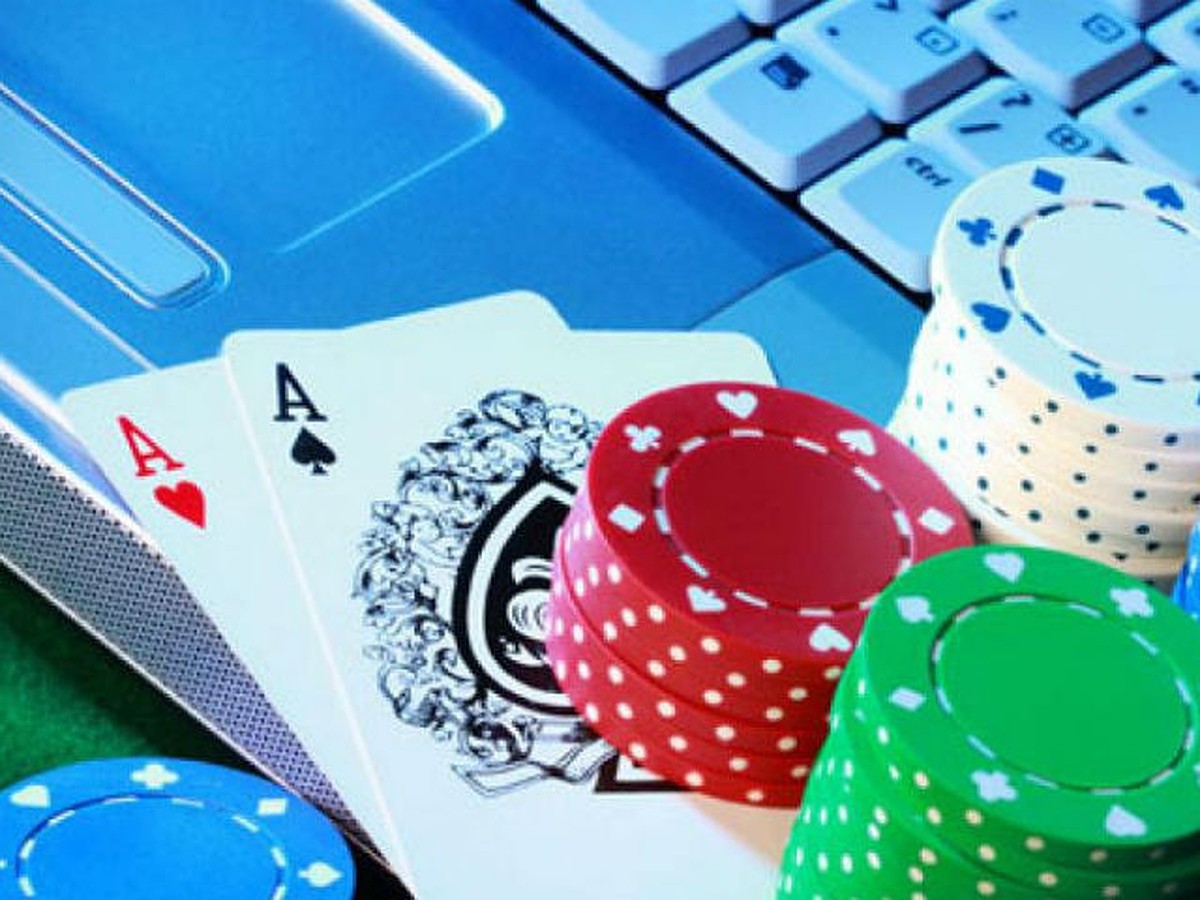
Furthermore, the environment in which gambling takes place is deliberately designed to heighten these feelings. The sounds, lights, and overall atmosphere in casinos or online platforms are crafted to stimulate the senses, making it challenging for individuals to resist the urge to gamble. This environment plays a significant role in how people perceive and engage with gambling, often leading to compulsive behavior.
The impact of wins and losses
The psychological impact of winning in gambling can lead to a cycle of increased play. A win, no matter how small, can create an illusion of control, where individuals believe they can replicate their success. This can lead to overconfidence and risky betting behavior, as players may chase their wins or attempt to recover losses. The cycle of „winning” and „losing” can distort an individual’s perception of risk and reward.
Conversely, the feeling of loss can be equally powerful, leading to feelings of frustration and disappointment. Some individuals might cope with these feelings by gambling more, hoping to regain their losses. This behavior can spiral out of control, resulting in significant emotional and financial repercussions, including anxiety and depression.
The role of cognitive biases
Cognitive biases play a crucial role in how individuals engage with gambling. One common bias is the „illusion of control,” where gamblers believe they can influence outcomes that are fundamentally random. This can be particularly pronounced in games of skill, such as poker, where players might feel their decisions directly affect the outcome.
Another significant cognitive bias is the „gambler’s fallacy,” which leads individuals to believe that past events will influence future outcomes. For instance, if a particular slot machine has not paid out recently, a gambler might wrongly assume it is „due” for a win. These biases can lead to irrational decision-making and can perpetuate gambling behavior even in the face of mounting losses.
The social implications of gambling
Gambling is not only an individual activity but also a social one, often involving interactions with friends, family, and strangers. This social aspect can enhance the thrill and make gambling more appealing. However, it can also lead to peer pressure and the normalization of excessive gambling behaviors, which can further entrench individuals in their gambling habits.
Moreover, social connections formed through gambling can create a support network that may inadvertently encourage continued gambling. While some individuals may find positive reinforcement through these social interactions, others may become trapped in a cycle of gambling due to the influence of their peers. This duality highlights the complex social dynamics at play in gambling behavior.

Exploring responsible gambling
Recognizing the psychological effects of gambling is essential in promoting responsible gambling practices. Awareness and education about the potential risks associated with gambling can empower individuals to make informed decisions. Strategies such as setting limits on time and money spent on gambling, along with seeking help when needed, can mitigate adverse psychological effects.
At platforms like Discover Online Pokies NZ, the focus is on providing a safe and enjoyable gaming experience. Emphasizing player safety and responsible gambling is paramount, ensuring that individuals can engage with games while being mindful of their mental well-being. This commitment to responsible gaming reflects a broader understanding of the psychological impacts of gambling and aims to foster a healthy relationship with gaming.